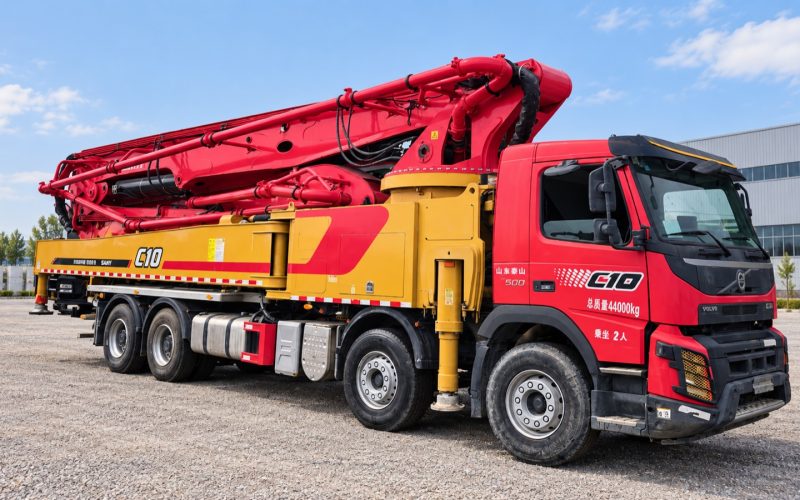
Used Concrete Pump Truck Inspection Checklist: Boom, Hydraulic System, Pumping Unit and Records
From Operators to Global Exporters
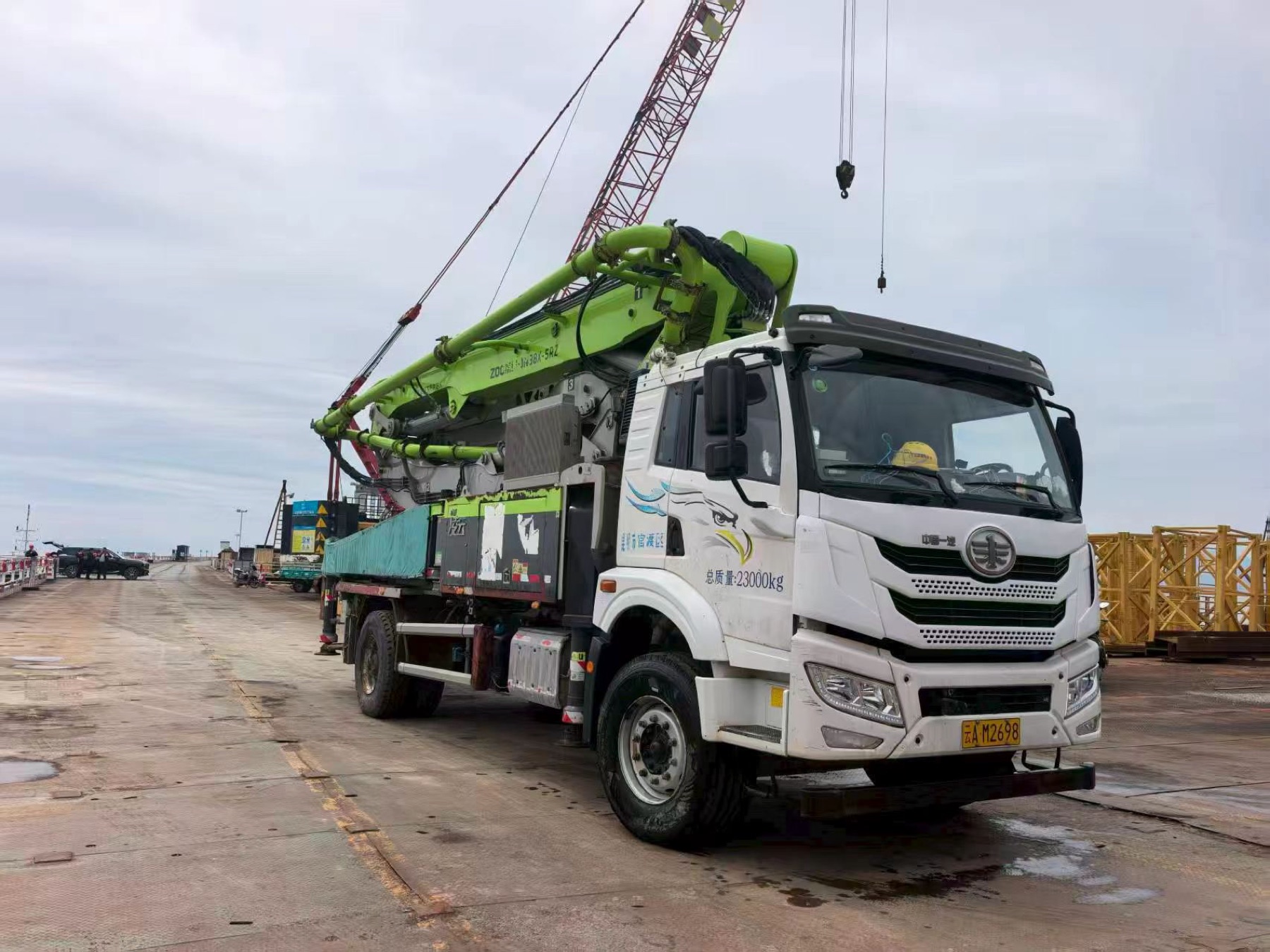
A used concrete pump truck should be inspected as a working machine, not as a painted vehicle. The key question is simple: can this truck pump concrete safely and reliably on the buyer's job site after shipment?
This checklist is written for overseas buyers who cannot always inspect the machine in person. It focuses on the main systems that affect cost, safety, and working performance: boom structure, hydraulic system, pumping unit, chassis, controls, records, and pre-shipment testing.
1. Confirm the exact unit first
Before any technical inspection, confirm that the machine being shown is the exact machine being offered.
Request:
- Full model name
- Brand and chassis brand
- Year of manufacture
- Machine nameplate photo
- Chassis VIN or identification information where available
- Current location
- Current photos from all sides
- Video showing the full truck, not only close-up details
If a seller sends beautiful photos but cannot show the nameplate, dashboard, current yard location, or live video, be careful.
2. Boom structure inspection
The boom is one of the most important and expensive parts of a concrete pump truck. Cosmetic paint can hide problems, so buyers should ask for close photos and operating video.
| Inspection point | What to look for | Why it matters |
|---|---|---|
| Boom sections | Cracks, welding repairs, deformation, rust | Structural damage affects safety |
| Boom pins and joints | Excessive looseness or abnormal wear | Worn joints reduce control and stability |
| Hydraulic cylinders | Oil leakage, slow movement, damaged rods | Cylinder problems can be expensive |
| Outriggers | Smooth extension, stable support, no bending | Outriggers affect site safety |
| Pipeline along boom | Worn pipe, clamps, bends, leakage signs | Worn pipe increases blockage risk |
Ask for a video of the boom unfolding, rotating, and folding back. If possible, request that the seller pauses at each section so the structure can be seen clearly.
3. Hydraulic system inspection
The hydraulic system is the heart of pump truck performance. A truck may start and drive, but still have weak pumping pressure or unstable boom movement.
Request checks for:
- Main hydraulic pump condition
- Oil leakage around hoses, valves, cylinders, and pump area
- Hydraulic oil color and contamination signs
- Abnormal noise during boom movement
- Temperature behavior during testing
- Pumping pressure stability
- Response speed of boom and outriggers
A good inspection video should not be silent. Engine sound, hydraulic movement, and pumping rhythm can tell experienced operators a lot.
SHIRUN's advantage here is operational experience. Our team has managed a working fleet since 2013, so inspection is based on how pump trucks behave on real job sites, not just how they look in a yard.
4. Pumping unit inspection
The pumping unit determines whether the truck can actually move concrete. Buyers should not judge this area only by exterior appearance.
Check:
- Hopper condition
- S-valve or valve system wear
- Wear plate and cutting ring condition
- Delivery cylinders
- Lubrication system
- Concrete residue and cleaning condition
- Pipe and elbow wear
- Piston condition if visible
Evidence to request:
- Water test or pumping test video
- Hopper close-up photos
- S-valve area photos
- Photos of consumables if replaced
- Maintenance notes for key wear parts
If the seller claims the machine is "ready to work," ask what was actually checked or replaced before shipment.
5. Chassis, engine and road condition
A concrete pump truck is also a heavy truck. The chassis affects transport, site mobility, and local compliance.
Check:
- Engine startup from cold condition if possible
- Dashboard warning lights
- Mileage reading
- Brake system condition
- Tires
- Suspension
- Steering
- Transmission
- Axle condition
- Emission standard
For international buyers, emission standard may affect import registration. Confirm this with your local customs or registration agent before ordering.
6. Electrical control and remote control
Controls are often underestimated. A pump truck with unstable electrical control can create serious downtime.
Request:
- Control cabinet photos
- Remote control photos
- Receiver photos
- Function test video
- Emergency stop test
- Basic sensor and switch checks
- Any fault codes or warning messages
For used Zoomlion and SANY pump trucks, the availability of correct electrical parts and remote control support should be considered before purchase.
7. Maintenance records and operating history
Records are especially important for used equipment. A low-hour machine with no record may be riskier than a higher-hour machine with a clear service history.
Ask for:
- Available maintenance records
- Repair history
- Part replacement notes
- Working hour evidence
- Working volume if available
- Previous job-site type
- Operator notes if available
SHIRUN's site highlights clear equipment records, repair logs, operational performance data, and job-site history. This matters because pump trucks that worked on bridges, railways, high-rise projects, or long continuous pours may have very different wear patterns.
8. Pre-shipment video checklist
Before balance payment, request a final pre-shipment video that includes:
- Walkaround of the full truck
- Nameplate and model confirmation
- Engine startup
- Dashboard and meter display
- Outrigger operation
- Boom unfolding and folding
- Pumping or water test
- Remote control function
- Main hydraulic area
- Packing or loading preparation if already arranged
This video is useful not only for inspection, but also for future reference if there is a question after arrival.
9. Inspection summary table
| System | Minimum evidence to request | Risk if skipped |
|---|---|---|
| Boom | Unfolding video, joint photos, cylinder photos | Structural repair cost, safety risk |
| Hydraulics | Leak check, movement test, pressure behavior | Weak pumping, downtime |
| Pumping unit | Hopper, valve, wear part photos, water test | Blockage, low output, high repair cost |
| Chassis | Startup, dashboard, mileage, tire condition | Transport and road-use problems |
| Controls | Remote, cabinet, function test | Site operation failure |
| Records | Maintenance notes and operating history | Hidden wear, uncertain value |
| Documents | Invoice, packing list, B/L, C/O | Import and customs delays |
FAQ
Can a used concrete pump truck be inspected remotely?
Yes, but the inspection must be structured. Ask for current photos, live video, operating test, close-up system photos, and available maintenance records.
Is fresh paint a good sign?
Not always. Fresh paint can improve appearance, but it can also hide cracks, repairs, rust, or hard use. SHIRUN does not position cosmetic refurbishment as the main proof of quality. We prefer visible condition, records, and testing.
Which part is most expensive to repair?
Major boom structure repairs, main hydraulic pump problems, engine issues, and serious pumping system wear can all be costly. This is why inspection should focus on core systems first.
What should I ask SHIRUN before buying?
Ask for current photos, operating video, inspection details, maintenance records if available, export timeline, shipping options, and after-sales support scope.
Apply this checklist to current SHIRUN inventory
A useful inspection checklist must be connected to a specific machine. When you ask about one of the current units, use the inventory page and request updated machine data, fresh photos, nameplate details and any available inspection media for that exact unit.
- Boom pump examples: 38m Zoomlion unit, 47m Zoomlion unit, 49.3m Zoomlion unit, 56m Zoomlion unit, 56.1m SANY unit, 58.1m Zoomlion unit, 67m Zoomlion unit
- Truck-mounted pump examples: 2020 Zoomlion ZLJ5140THBJE Unit 10 and 2020 Zoomlion ZLJ5140THBJE Unit 11
- Compare price before inspection: used concrete pump truck price guide 2026
- Confirm supplier and payment safety: how to verify a used concrete pump truck supplier in China
Need an inspection-backed quote?
Send your required boom length, destination port, and budget. SHIRUN can share current available units, inspection videos, and preparation details for selected used concrete pump trucks.